

Claude y Notion: Mi nuevo flujo de trabajo para la wiki de DIMCA
De la hoja en blanco al control de calidad: cómo uso Claude para escribir directamente en Notion, optimizar la documentación de proyectos de ingeniería y estructurar la organización de DIMCA

POR QUE TENER UNA WIKI
Hablamos de la importancia de tener una Wiki para tu empresa de construcción a la hora de estandarizar tus procesos, metodologías y aministracion de tu empresa como tal.
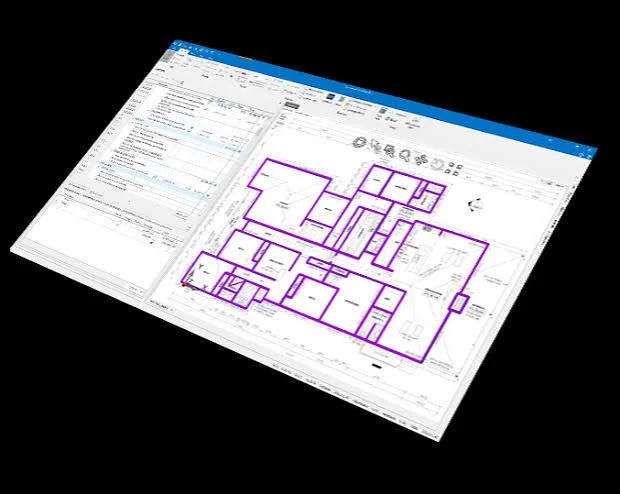
Tipos de Planos
Hablemos de los planos necesarios para realizar un presupuesto y ejecutar una obra.
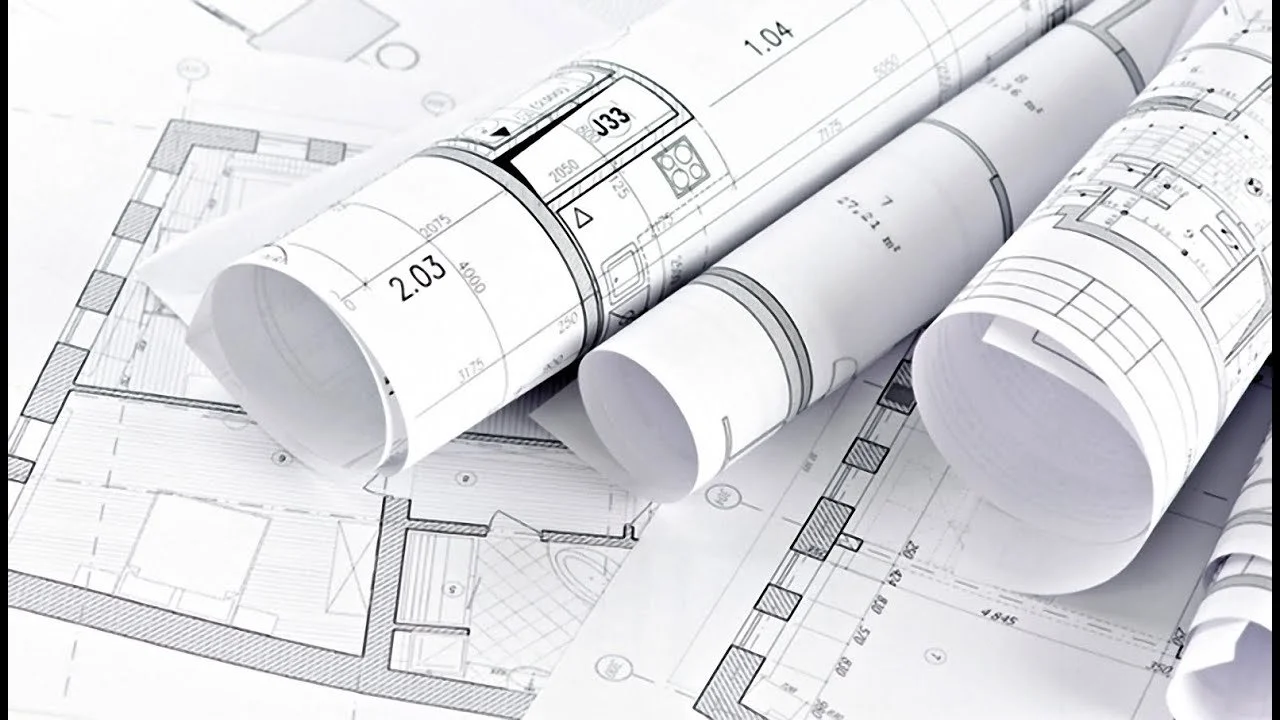
Quantity Takeoff (QTO)
Se le llama QTO al proceso de revisar, anotar y medir sistemáticamente todo lo que aparece en los planos para poder elaborar un presupuesto preciso. Esta es una de las habilidades más fundamentales en la ejecución de proyectos de ingeniería civil. Una buena toma de cantidades es la base de todo estimado confiable, oferta y sistema de control de costos. Le llamamos Marcado de Planos para Cuantificación.

Building Reusable Systems: Lessons from Real Estate
Managing a real estate portfolio shouldn't mean constantly putting out fires. To scale strategically, you need robust systems—automating everything from cash flow tracking to tenant communications. I’m diving deep into the digital architecture and frameworks required to streamline operations, eliminate blind spots, and boost returns. Follow along for an inside look at the exact operational workflows and tech stacks shaping modern real estate management! 📈🏢
Claude AI for Civil Engineers
While artificial intelligence is reshaping how we work, civil engineering remains a field built on absolute precision, strict compliance, and rigorous standards. Enter Claude AI—an assistant uniquely suited for the heavy lifting of modern engineering workflows. Known for its industry-leading context window, Claude excels at sifting through hundreds of pages of complex building codes, cross-referencing dense project specifications, parsing structural drawings, and turning chaotic site notes into polished RFIs or contract reviews in minutes. In our upcoming series, we are diving deep into how civil and structural engineers can safely leverage Claude to automate tedious admin tasks, review submittals faster, and draft technical reports—all while keeping human engineering judgment firmly at the wheel. Stay tuned to discover practical prompts, real-world workflows, and the exact guardrails you need to make AI your team's ultimate force multiplier.

Principles of Effective Project Management in Construction
Principles of Effective Project Management
Clear Objective & Scope: Define success criteria upfront so everyone moves in the exact same direction.
Proactive Risk Management: Identify potential bottlenecks and failure points before they impact cost or timeline.
Stakeholder Alignment: Keep communication transparent, consistent, and structured across all levels.
Resource Optimization: Allocate people, budget, and time efficiently without burning out the team.
Continuous Monitoring & Agility: Track progress against key milestones and pivot quickly when variables change.